






🔧✨ Master Your Lock: The Ultimate Guide to Changing Your Lock Like a Pro!✨🔧
Whether you're dealing with lost keys, a stubborn lock, or simply want to enhance your home's security, changing a lock is a project within everyone's reach.
No need to call a professional; this guide will walk you through this DIY (Do It Yourself) adventure step-by-step. Remember, self-reliance begins with small actions!

I. Prepare for the Big Change: An Overview of Necessary Tools 🔨📝
🚀 First step on the road to change: preparation.
Before you begin, gather the necessary tools. A good DIYer is a prepared DIYer!
You'll need a screwdriver, a flat-head screwdriver, a tape measure to take the dimensions of the existing lock and, of course, the new lock.
⚠️ Make sure it's compatible with your door by checking the type (surface-mounted, mortise, etc.), the security level, and the dimensions.
II. One, Two, Three: Remove Your Old Lock 👋🔒
🔧 Second step: removing the old lock.
This is an important moment; it will allow you to understand how your lock works.
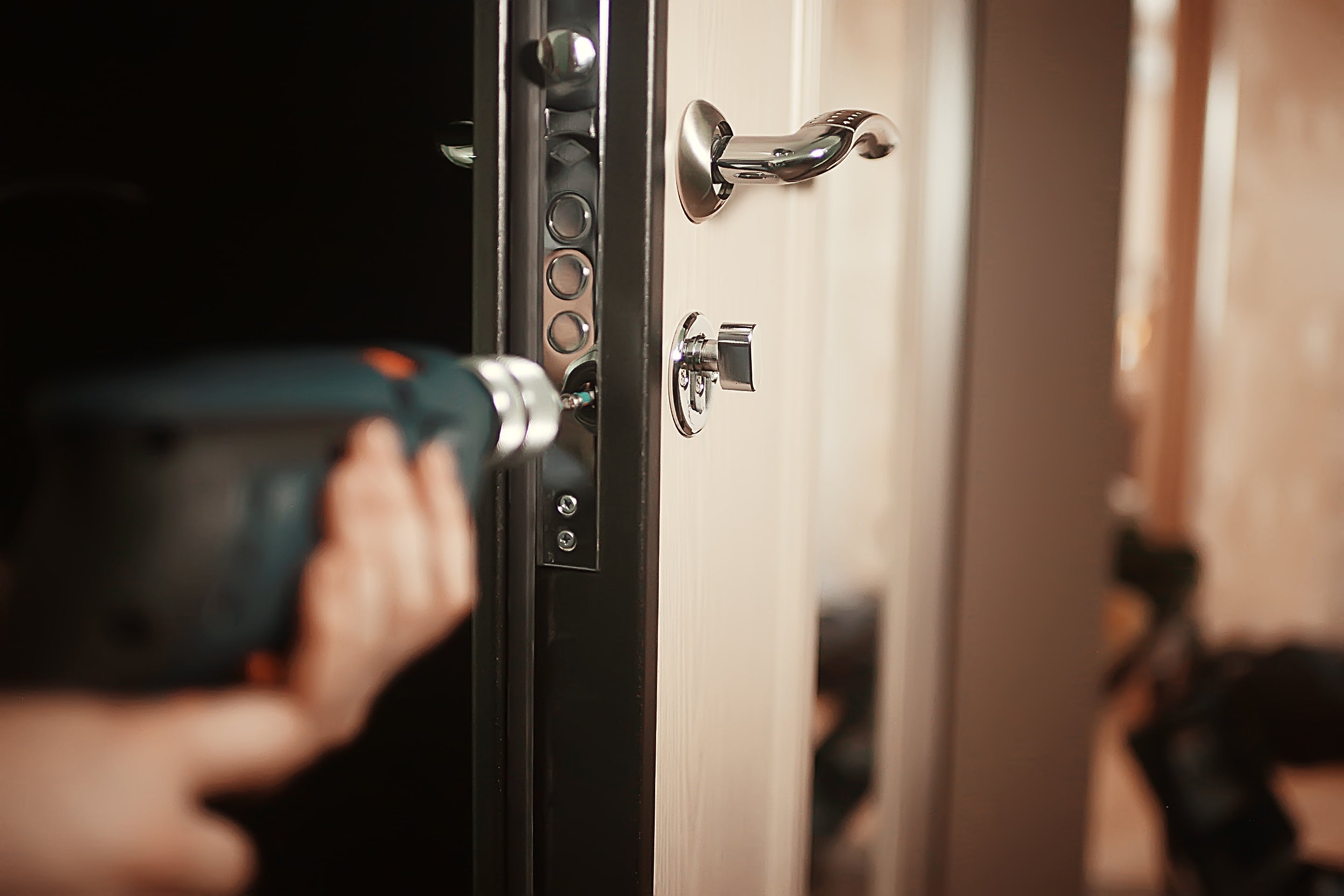
With your screwdriver, remove the screws holding the lock in place. Once the lock is loose, use your flat-head screwdriver to gently pry it out of its housing.
⚠️ Be careful not to damage the door during this operation.
III. Install the New Lock: Time for the Great Replacement 🎉🔐
Third step: installing the new lock.
Your new lock is ready to take its place. Gently insert it into the designated slot. Use your screwdriver to screw and secure the lock.
Remember to check the proper functioning of the lock with the key before putting away your tools.
✅ If the key turns smoothly and the bolt (the part of the lock that secures the door) engages correctly, you can congratulate yourself!
IV. Adjustment and Finishing: Details That Matter 🎯👌
Fourth step: adjustment and finishing.
Now that your new lock is in place, make sure the door opens and closes properly.
Adjustments may be necessary; don't worry, that's normal. You might need to tighten or loosen screws, or adjust the strike plate (the metal part attached to the door frame into which the bolt engages).
V. You Are the Master of Locksmithing! 🥳🔑
Congratulations!
You successfully changed your lock yourself. You've not only saved the cost of a locksmith, but you've also gained a valuable skill.
Now that you know the basics of locksmithing, don't forget: your home's security is essential, so don't hesitate to regularly inspect your locks and change them if necessary.
And, who knows, perhaps your next project will be to install a more complex security system!